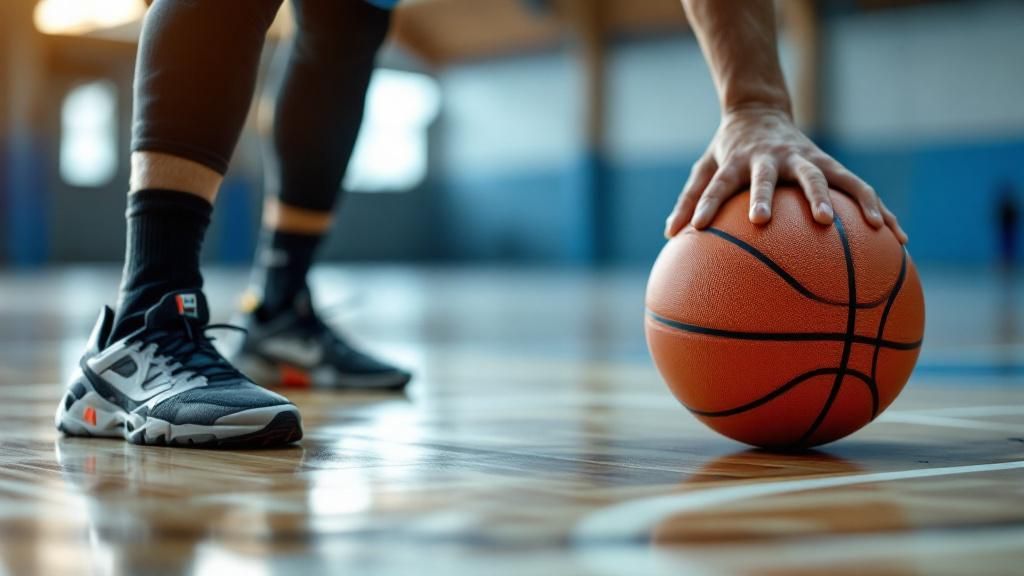
Basketball players encounter constant physical pressures that threaten to curtail their careers prematurely. However, implementing scientifically-backed injury prevention strategies can significantly extend an athlete’s longevity on the court. This article examines the most effective techniques—from purposeful resistance training and range-of-motion exercises to proper recovery protocols and gait evaluation—that help players shield themselves against typical injuries. Discover how experienced and developing athletes alike are leveraging these proven methods to prolong their time on court and preserve top-level ability throughout their careers.
Critical Role of Preventing Injuries in The Sport of Basketball
Basketball represents one of sport’s most physically taxing disciplines, demanding explosive movements, rapid directional changes, and sustained cardiovascular effort. The ongoing pattern of training and competition places considerable strain on players’ joints, muscles, and connective tissues. Without appropriate injury management protocols, athletes face the possibility of sudden injuries or long-term ailments that can prematurely terminate potential professional trajectories. Establishing proactive measures allows players to sustain their physical wellbeing whilst continuing to perform at the highest standards throughout their playing years.
The financial implications of basketball injuries go further than individual athletes to include entire franchises and clubs. Teams forfeit key resources when key players experience prolonged injury setbacks, impacting performance, revenue, and ongoing competitive planning. Treatment expenditures, recovery expenses, and reduced output represent significant investments that clubs must bear. By prioritising injury prevention programmes, organisations demonstrate commitment to athlete welfare whilst protecting their competitive interests and financial stability. This dual benefit makes prevention strategies economically prudent for all stakeholders involved.
Career longevity is closely linked to an athlete’s skill in avoiding debilitating injuries that compromise physical performance. Players who maintain optimal physical conditioning and technical proficiency experience extended professional lifespans and higher earning capacity. Injury prevention strategies allow athletes to take control of their physical wellbeing rather than accepting injury as a necessary outcome of participation. This forward-thinking approach significantly changes how today’s basketball professionals tackle their career advancement and career management strategies.
Essential Physical Conditioning and Strength Methods
Proper conditioning creates the cornerstone of injury management in basketball. Players must develop thorough strength training regimens that focus on supporting muscles around at-risk joints, particularly the ankles, knees, and shoulders. Including eccentric exercises—where muscles elongate under stress—remains especially beneficial for reducing ligament injuries. Incremental resistance work, combined with plyometric work, improves strength endurance and proprioception. Coaches should introduce structured training phases that coordinate intensity with sufficient rest, confirming athletes create strength without overtraining. This organised strategy substantially decreases injury risk whilst maintaining playing performance.
Sport-specific fitness routines must replicate the rapid motions basketball necessitates. Side-to-side agility training, powerful jump training, and multi-directional running patterns condition the body for competitive play. Core stability work deserves particular emphasis, as a solid core foundation enhances balance, decreases compensatory movements, and guards against lower back injuries. Movement-based training that reproduces game scenarios—such as quick stopping and directional shift exercises—strengthens neuromuscular coordination. Incorporating these methods into regular training schedules allows athletes to establish physical resilience progressively, facilitating longer, healthier careers whilst preserving the explosive athleticism essential for basketball excellence.
Recovery Methods and Best Practices
Optimal recovery is fundamental to injury prevention and career longevity in basketball. Professional athletes acknowledge that the time spent on recovery is equally important as training itself. Implementing systematic recovery approaches—including proper sleep, nutritional intake, and deliberate rest periods—allows the body to repair microdamage and strengthen tissues. Players who focus on recovery experience enhanced athletic output, fewer injuries, and greater mental toughness. By treating recovery as a key element of their training regimen rather than a inactive process, basketball players can sustain their competitive advantage whilst reducing injury potential throughout their careers.
- Ice baths minimise swelling and accelerate muscle recovery successfully.
- Foam rolling increases suppleness and eases muscle tightness consistently.
- Sufficient rest supports tissue regeneration and cognitive function.
- Massage therapy promotes blood circulation and alleviates muscle discomfort.
- Good dietary intake restores energy levels and aids recovery.
Integrating these restoration strategies into a broad-based injury prevention strategy requires dedication and discipline from athletes and coaching staff alike. Modern basketball programmes increasingly engage sports scientists and physiotherapists who create tailored recovery schedules suited to each player’s unique circumstances and medical background. By assessing recovery markers such as heart rate variability and sleep quality, teams can enhance training loads and reduce overuse injuries. This information-led strategy to recovery demonstrates that extending playing careers depends not solely on avoiding damage, but on enhancing the body’s ability to recover and adjust.
